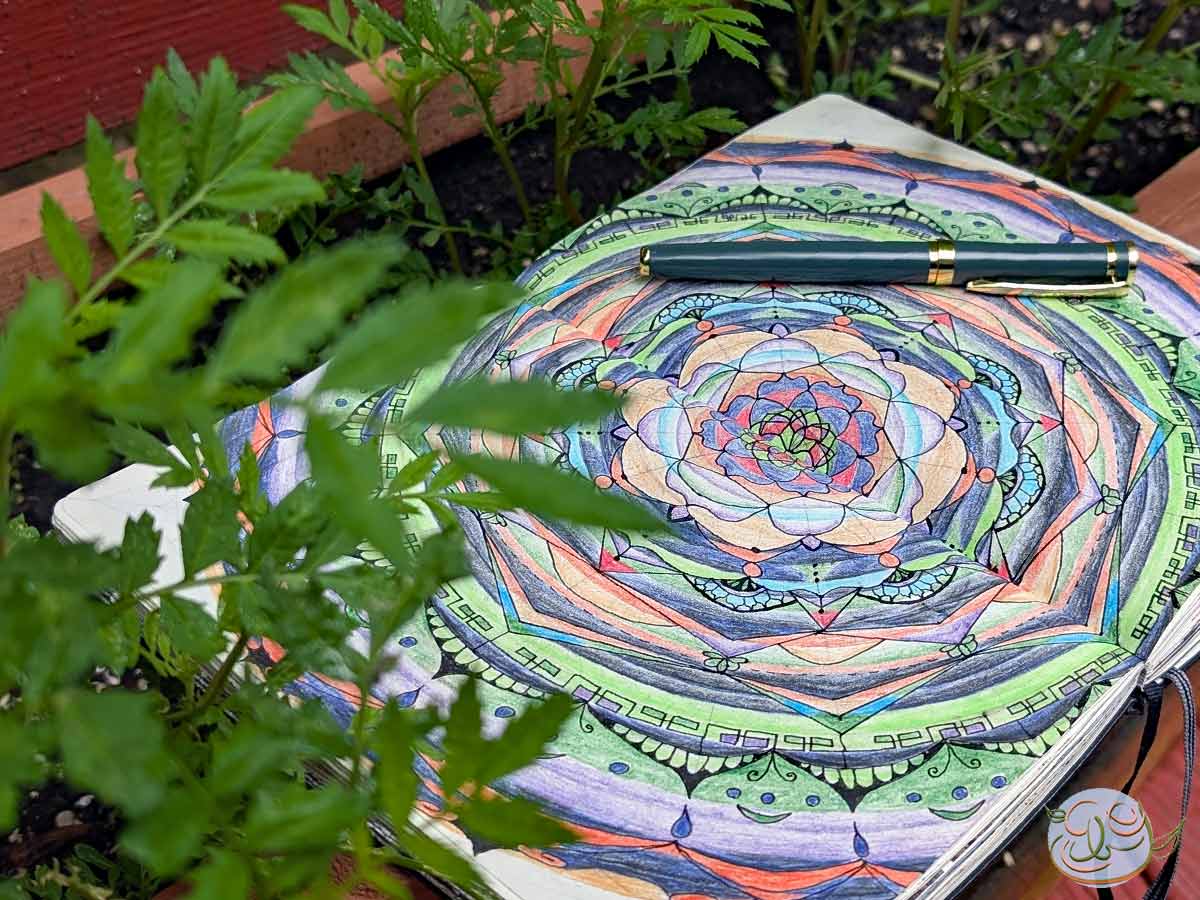

As the seasons change, many of us seek ways to refresh and renew our lives. Maybe it’s a new year or a new school year. It’s these moments of transition that give us a clean slate for reflection, goal-setting, and planning. Whether it’s the crisp start of September or the invigorating beginning of January, meditation gardening can offer a unique path to personal development. After all, gardening itself can be a metaphor for personal growth. By combining the tranquility of meditation with the nurturing process of gardening, you cultivate not just your plants, but also your own well-being.
New York Times bestselling author and blogger Gretchen Rubin writes, “September is the other January.” Just as we set resolutions for the new year, September is also the perfect time to refresh your approach to gardening and personal growth. These months bring with them the opportunity to plant new seeds – literally and figuratively – allowing both your garden and your personal life to flourish.
Designing and Cultivating a Meditation Garden
Meditation gardens go by many names: self-care garden, wellness garden, spiritual garden, faith garden, holistic garden, sensory garden, tranquil garden, zen garden. [Don’t miss my site visit to the Japanese Friendship Garden of San Diego’s Balboa Park!] No matter what you call them, they all serve the same purpose. A meditation garden is a place, usually outdoors, to sit and relax with nature and contemplate.
Aspects of Meditation Garden
A meditation garden centers on the senses. Its purpose is to ground those who visit it in the present moment. “Leave the world outside, for a moment,” a meditation garden tells you. “Be present, be here.” The easiest way to do this is to utilize the five cardinal senses: sight, smell, hearing, touch, and taste.
Types of Plants in a Meditation Garden
The visual appeal of the plants is perhaps the most obvious thing to think about in a garden. You may want plants noted for their vibrant colors that draw the eye. These don’t all have to be flowers though! For example, even hot peppers like Grandma Kirksey Peppers are perfect for a meditation garden. Their deep purple-tinted leaves and multi-colored fruit delight the eye – and the fruit delights the tastebuds in the kitchen.

Think of plants tied to scent. Plants like basil fill the air with heady, earthy scents that soothe the soul. Flowers with strong scents like lavender, gardenias, or roses can sweetly fill the air with fragrance. Plants that are tied to scent are also often tied to taste, like aromatic herbs such as chamomile and mint that are used for teas.
Soft leaves on plants like lambs ear or dusty millers are excellent for a meditation garden. They invite visitors to touch their leaves and enjoy all that the garden has to offer.

Plants with specific meanings may have a place in a meditation garden too. Prayer plants and peace lilies are obvious choices. Zen gardens often feature heavenly bamboo and pines that point to the sky. These are not only visually appealing, but symbolic as well.
Other Aspects of a Meditation Garden
All gardens have some sort of structure that guides the growth of the plants within them. Sometimes this is utilitarian like a trellis or plant pot. A meditation garden goes that one step further to introduce other elements that the plants may not provide themselves. Sculptures and rocks provide solid visual appeal when paired with the soft and living nature of plants. Contrast is one element of a meditation garden.
Sound in a meditation garden can be achieved by planting wildflowers that attract pollinators. The soft buzz of a honeybee is always a delight – especially when you know they’re helping grow the produce that you’ll be eating later in the year! But a meditation garden may also offer features like a bubbling water fountain or wind chimes to delight the ears.

A seating area is a must in a meditation garden. Seats invite visitors (and the gardeners themselves!) to sit down and enjoy the space. To stay a while and just be. Seats also physically point our bodies in space to an area of the garden that can be arranged as a tapestry to be enjoyed as a full tableau.
Planting the Seeds of Growth

Every journey of growth starts with planting seeds, whether it’s in the garden or in life. Much like selecting which seeds to plant in your garden, meditating on and choosing your personal priorities is a key step. Just as tomatoes, basil, or peas sprout from small seeds into something abundant, so can the small changes you make now.
Cultivating Patience and Perseverance

Just as plants need time to grow, personal growth requires patience and perseverance. Some plants, like our habaneros, take a lot of time to grow. At first, these habanero plants didn’t show much promise. Our first attempt at cultivating habaneros started out as a tiny seedling … for two years. We eventually learned what it needed to grow and prosper, but even then these plants take time to produce fruit.
Meditating on plants like these in the garden tells us that it’s like that in other aspects of life too. So it’s important to nurture your goals, even when progress isn’t immediately visible.
Pruning for Progress

Sometimes, growth involves pruning away what’s unnecessary – whether it’s in the garden or in life. [For example, pruning tomato suckers can help the plant grow more fruit.] Lower branches of a tomato plant wilt and die off as the plant ages … and that’s ok. Trimming away these pieces of the plant that aren’t serving the gardener’s purpose is exactly what makes a productive garden.
The garden tells us that, just as in life, if something isn’t serving your goals or fitting with your ideals, cut it out. It’s ok to let some things go.
Weathering Challenges

Of course, you can’t plan for everything. [Even weathering the weather in the garden has its own challenges.] All gardeners encounter various obstacles, from unpredictable weather and pests to soil quality issues, plant diseases, and nutrient deficiencies. It’s how we face these and other challenges both in the garden and in the rest of life that determines whether things will heal and thrive, or whether we’ll start again.
Meditating on this, the garden tells us that, sometimes, the right answer to an unexpected setback is to start over. Even if you didn’t get any produce from a plant [like when whiteflies attacked our zucchini and we lost everything,] you still harvest the knowledge of what to do if you ever encounter that problem again. When we encountered whiteflies again last year, we were able to save our entire garden.
Could we have done that if we’d never encountered whiteflies before? Maybe. But it was easier with the knowledge well in hand. Remember: FAIL stands for First Attempt In Learning.
Be resilient – like your garden.
Reaping the Harvest of Personal Growth through Meditation and Gardening
Just as plants eventually bear fruit after time, effort, and care, so do the seeds we plant in our personal lives. Look at gardening as a form of self-reflection and self-improvement. It reminds us that growth is a continual process. As you nurture your garden, take time to meditate and reflect on how you can nurture yourself and your aspirations … just like your garden’s produce nurtures you.