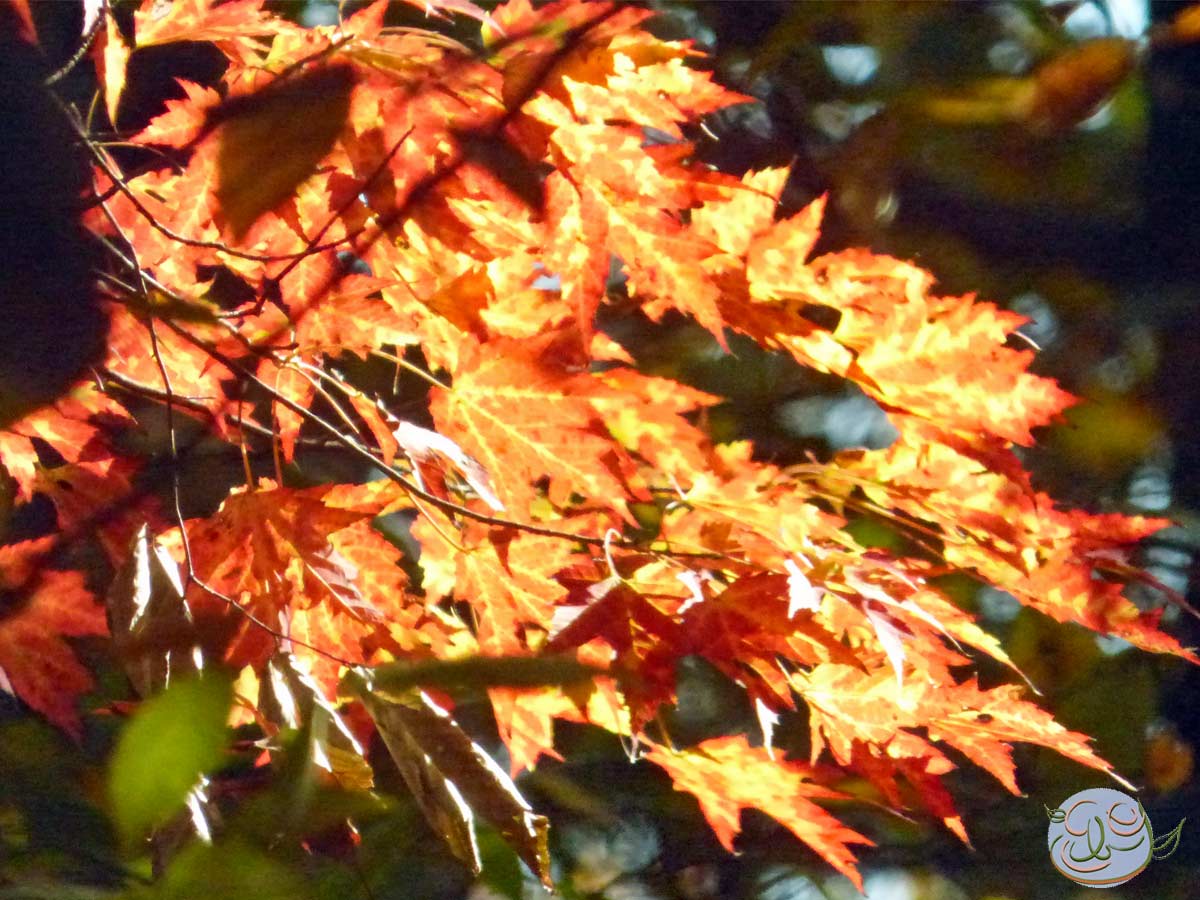

With the beauty of everything green, growing, ripening, and ready for harvest in the garden, it’s difficult to imagine in mid-to-late-summer that autumn and winter are right around the corner. By mid-August there are less than 150 days left in the year. That means that autumn will be here and leaves falling before we know it. But there’s still plenty of time left in the year for gardening! Mid-summer is the perfect time to start the transition from summer to fall, planning and planting for autumn gardening. Cool weather crops that grew well in spring will quickly spring up in the warm weather and become ready to produce come the cooler temperatures of fall. Start now with these tips for a summer transition to make the most of autumn gardening!
As Summer Heat Transitions to Cooler Temperatures, Assess Your Garden for Fall
While you’re harvesting produce, take a look at the plants. How well are your summer garden plants transitioning to fall? A little observation can go a long way to knowing where your garden stands. Once you take a step back and consider how your garden is growing, you can make small changes that will have a big impact in the autumn season.
Evaluate Plant Health
How are your plants producing? Do you have plants that are already done for the year? Depending on the variety, quick producing plants like tomatoes may be finished for the year by mid-to-late-summer. If there’s no produce and no blossoms, it’s time to make room for future fall plants. One word for this is succession planting.

How are your plants’ leaves? Even if you’re just growing flowers, you should make sure none of your plants are showing signs of disease. If so, you can decide whether to treat them or rip them out. Mid-summer may be the time to transition to different plants in your garden so they’ll have time to grow by the fall.
Soil Condition
Take into account what plants grew where in your garden. That will give you an idea what the soil has left to give. Then, think about what you’re planning to grow and what those plants need to survive. For instance, peas fix nitrogen to the soil, lettuce loves phosphorus, and tomatoes take up a lot of potassium. Corn is a real nutrient-consumer and takes everything out of the soil.
Knowing what plants have recently taken out of the soil and what nutrients your new plants expect from the garden will help you make a proper transition from summer to fall.
Summer Garden Cleanup to Transition to Fall
In the height of your summer harvest, it can be a shift to think of adding autumn garden tasks to your to-do list. Just like starting seeds indoors in mid-winter for spring, you’ll thank yourself later if you get started early.
Clear Out Summer Plants
Remember that health assessment we did a moment ago? Well, here’s where that becomes extra important. It’s not just about recognizing which plants are sickly or simply done for the year. It’s also about making sure you don’t cause future problems.
While you want to assess the health of the plants in your garden constantly throughout the summer, it’s particularly important to recognize signs of disease as you’re transitioning your garden to fall too. Healthy plants with good foliage can head to the compost heap to break down and return to soil you can use next year. Unhealthy plants should be thrown away or destroyed so they don’t return the same pathogens to the soil that you’re trying to avoid now.
Clean Your Containers for Replanting

Container gardeners! Don’t forget to evaluate your planters! Even if your plants were healthy when you removed them, it’s always a good idea to sterilize your containers before replanting in them. Soil can carry pathogens from one plant to another, even after the plant has been removed. If you’re refreshing the dirt in your planters, you should wash them with soap and water or even a bleach-water solution before planting new seeds or plants in them.
Washing your plant pots is also a good idea because it rinses them of salts and other heavier minerals that plants can’t use. This is especially important in breathable containers like terracotta, ceramic, or stone. Heavier compounds can get stuck in the porous layers of breathable pots, so you want to make sure their rinsed thoroughly.
Refresh & Fertilize Your Soil
Once you’ve removed your summer plants, grab your garden rake and trowel to break up the roots of your summer plants. Getting rid of large root masses and compacted soil will aerate it and get it ready for your fall plants.

Earlier, you took a look at what was growing in your garden and what you’re planning to plant. Now’s the time to put that insight into action. Given what nutrients you can infer your summer plants took from the soil and what nutrients your fall plants need, you’ll have a good idea how to fertilize your garden for the transition.
Even if you’re not planning on gardening into the autumn, mid-to-late-summer is an excellent time to take stock of your soil. Fertilizing your garden is best done in the fall so that the soil has time to rest and recover nutrients over the winter.
[Know how to read fertilizer labels, so you know what you’re adding to your soil.]
Choosing Fall Crops

There are lots of ideal crops that thrive in the cooler days of autumn. Brassicas like broccoli, cauliflower, and kale thrive when the weather gets cooler. Depending on the variety and your location, brassicas can even survive throughout the winter. Root vegetables like radishes, carrots, and turnips grow well in cooler temperatures, too. As the days get shorter, the plants will slow their growth. But that just means the root vegetables will hold onto more of their sugars, making them sweeter than summer crops.
Don’t stop there! Vegetables that do well in early spring make excellent autumn crops too! Traditional spring plants like peas, spinach, and chard flourish in the fall. We personally adore autumn peas. Their bright, spring green leaves and delicate flowers offer a delightful contrast to the golden, autumn light.
When deciding on what to plant for an autumn garden, look out for the “days to maturity” on the backs of your seed packets. Take into account the average frost in your area and work backwards from that date. You may also want to consider your region’s Persephone days. That is, the days where the sunlight drops below 10 hours a day. [Learn more about the Persephone Period and how to calculate it for your area.]
What Not to Plant in Fall
For all that fall is ideal for a lot of gardening, it’s not great for everything. Avoid vegetables and fruit that love the hot, humid weather of summer like tomatoes or peppers.
Also, avoid anything that takes longer than 60 days to mature. You don’t want to waste your garden space (or get your hopes up) if there’s not enough time left in the growing season for your fall plants to produce anything.
When to Plant in Summer for an Autumn Garden
Mid-August and Early-September are ideal months to plant brassicas and autumn peas. This is your chance to extend the growing season and take advantage of the last of summer’s heat to jumpstart your seedlings.
In some cold-hardiness growing zones (zones 7 and above), even October isn’t too late to start an autumn garden. In addition to brassicas, many quick-growing root vegetables like radishes do very well when started in October. Just pay attention to your plants’ expected days to maturity and your region’s frost dates. [Did you know that the USDA updated the Plant Hardiness Growing Zones in November 2023? Learn all about those changes here.]
Fall Gardening with Winter in Mind
While you’re planting for the fall, consider the upcoming winter, too. While planting your fall garden, you’re probably using your garden rakes and trowels to plant for the last time this year. Once you’ve finished using your tools and won’t be using them until the spring, you can clean them, remove any rust that accumulated during the gardening season, and store them for the winter.

If your winters are mild, you may be able to keep your fall garden going throughout the winter. Consider using frost cloths or cold frames for late-season crops. [You can even DIY a frost cover with hoops made from clothes hangers to provide structure.] Thinking about it now, means that you won’t be caught in a lurch when the cold snap finally arrives.
Seamlessly Transition Your Garden from Summer to Fall
As your garden transitions from the vibrant days of summer to the cooler embrace of fall, it’s essential to adapt your care routine to ensure a thriving landscape. By taking the time to prepare now, your garden will not only survive the seasonal shift but will also continue to flourish and bloom, providing beauty and bounty well into the autumn months.
Planning ahead gives you the chance to enjoy the changing of the seasons rather than scrambling at the last minute to save precious plants from frost. It’s warm now, but the crisp coolness of autumn is right around the corner!
What about you? How do you transition your garden from summer to fall? Feel free to tell us all about it in the comments!