
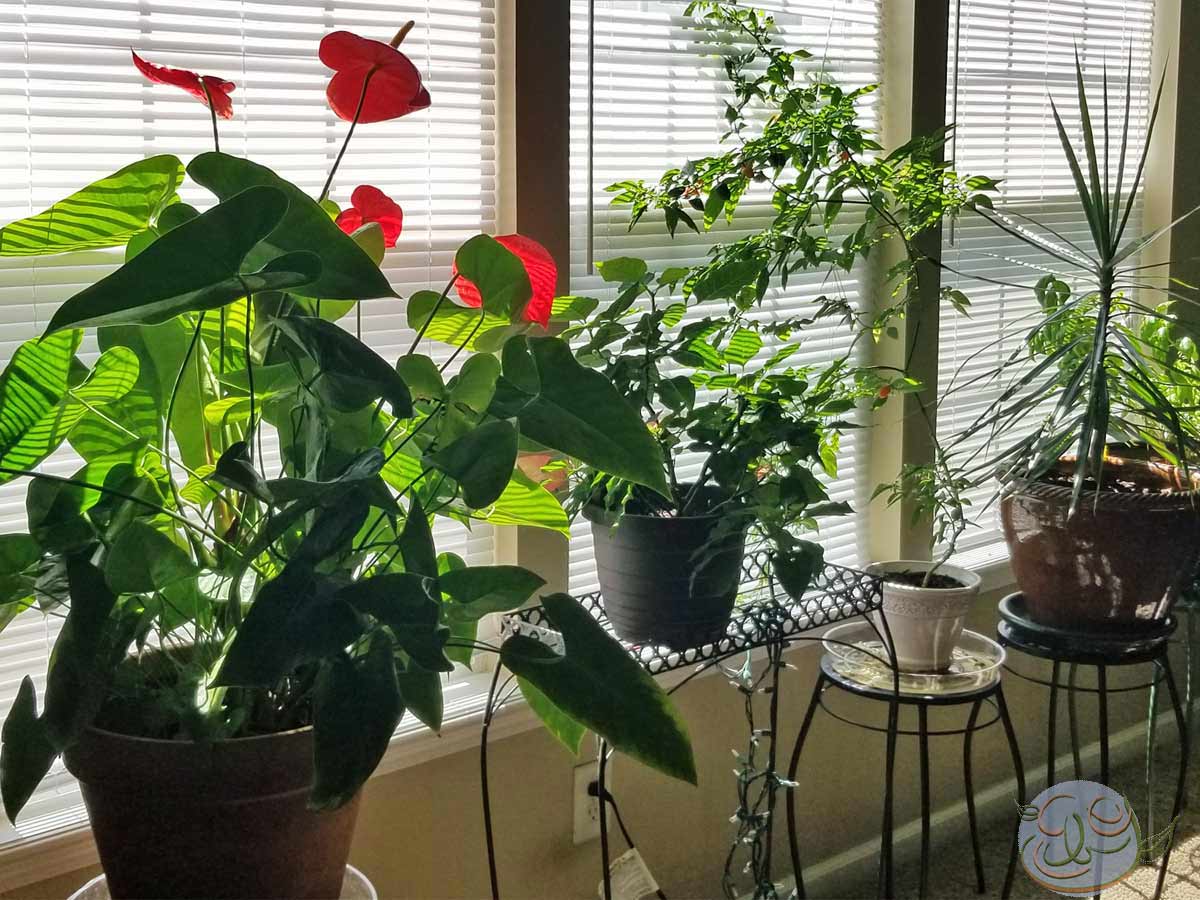
A container garden is a beautiful thing for any home. It makes no difference how large or small a home may be; whether it has a patio, balcony, or deck; or where in the world it may be located, country, suburban, or urban. You can design a container garden to fill any space available, vertical, or horizontal. All it takes is a little imagination and the right techniques (which aren’t difficult!).
Flowers in a vase wilt in a week or two, but a flower in a pot can provide you with joy for months even years. There’s something transcendent about living in cooperation with nature. Who doesn’t love watching growth occur over time right in front of your eyes? Food you grow yourself is a proud accomplishment and tastes better than the grocery store. Flowers seem more like old friends than simple ornamentals. My mother was fond of saying, “Everything is better if you’ve worked hard to earn it.” I think about that a lot. But the secret is this: growing your own food and flowers doesn’t have to be hard work!
Container gardens are so easy to care for. They don’t have as many weeds as a “standard” garden. If you’re paying attention to them, they will tell you when they’re thirsty for water or hungry for fertilizer. If you’re watching them, they will let you know if they want trimmed or trellised. Plants in pots can be household companions. They can help purify the air in your home. Plus, there’s something uplifting about seeing green even in the darkest hours of winter.
Ten beginner container garden tips
(While I have largely been a container gardener myself, a lot of these tips and tricks apply to in-ground as well as container gardening.)
1. What light level do your plants need for your home, office, or patio?

With a little research you can always find the requisite light level requirement for any kind of plant. Plant companies mark plants as Full Shade, Partial Shade, Partial Sun, and Full Sun. Think about where your plant will live. Is it going to be near a window or in a window box on the east or west where it will get full or partial sun? If so, then you’ll want to choose a plant that can handle being in bright sunlight. Some plants burn in direct sunlight and will need to move to darker corners of your space to really thrive. Others plants wilt and twist their stems toward the windows if you place them in an area that doesn’t get enough light. Do your reading and know where your plant wants to be.
2. How can you best remember to water your plants?

It’s obvious to say that plant is a living thing. Just like getting a pet, you’re going to have to care for your new house or office mate. This means water. Keep in mind that your plant’s location can have a lot to do with remembering to water it too. A plant you see all the time will be more likely to get your attention and inspire you to give it a little watering love as you pass by it every day. You’re more likely to forget a plant in a room you don’t go in very often (sad faces for my spider plant in my bedroom when I went to college).
Worried about forgetting your plant? Get one that doesn’t need water very often. Desert plants like cacti and snake plants make hearty friends for decades and only require water every other week or so. Some plants (like an ivy) even absorb water from the air if placed in a humid environment, like a bathroom, and so will require less help from you.
3. But don’t OVERwater your plant!

Some plants like a lot of water, but most plants don’t, especially if they’re indoor plants in containers, pots, or planters. Too much water can inspire a whole host of problems for your plant, from pests like fungus gnats or white mold.
Keep in mind that indoor air doesn’t move a lot, so the soil doesn’t dry out as fast as it does outside. Plants placed near air vents or radiators require more water because the air moves more around them. Even then, they’re not getting the full 24/7 wind currents blowing on the soil. Water in the mornings and early afternoons. Avoid the heat of the day in summer to avoid potentially boiling your plants. Also avoid watering in the evenings so the soil has time to dry before the cooler, night humidity arrives. Drainage is key, too. Make sure your containers have good sized holes in the bottoms that will allow excess water to run off.
4. Can you container garden in winter?

Having lived in cold parts of the world, I can safely say I have some tips on wintering with plants. Many plants that are so-called annuals can live for years inside a house, even throughout the middle of winter. Keep particularly cold-sensitive plants, like peppers, away from the cold windows during winter months. Frost damage can occur if their leaves even touch the cold window. You can insulate your windows to keep heat in while also letting light reach your plants. For extra light, there are multiple solutions out there for artificial sun lamps. These give your container plants some much needed extra sunlight in the cold, dark months. Some lamps clip onto blinds, windowsills, or curtain rods and stay completely out of your way while still providing your plants with light.
5. How big is your plant going to get?

When picking out your plants for a container garden, take some time to think about the kind of plant you’re going to grow. Will your plant get tall like corn or sunflowers? Will they vine like peas? Do the roots need space like carrots? You can grow all of these in containers … provided you work with their nature! There are dwarf varieties of many plants that don’t grow as tall if you have limited space. Vining peas just need trellises in or around their container to climb. Plant carrots in a deep enough container that there’s enough soil and space to form the delicious tubers. It may be more difficult to know how big ornamental plants will get and they may require pruning along the way.
What about trees? Yes, you can keep trees in pots too. We have a paper birch that we have grown from a seedling (It’s a great story too). We also have a dragon tree that is currently taller than me (standing at about 5’). I have had to repot it several times, but it continues to survive and thrive. Give trees pots big enough for their tap root. Some tap roots can get quite large and will break the pots they’re in. Mother nature does not mess around!
6. What kinds of planters are best for container gardening?

Know your plant’s root structure when you’re picking a pot for them. As mentioned before, carrots need room to form their tubers and trees may have taproots that require a lot of space in the pot. Some plants spread and multiply through rhizomes like mint or strawberries and might need more space for those root structures. On the other hand, some plants, like the ornamental snake plant, have very shallow roots and don’t require much soil. Many plants will do very well in a medium sized pot or container of around eight to nine inches in diameter and about the same deep.
As for the kind of material your container garden should be, avoid plastic, if possible, especially for indoor plants. Plastic pots don’t breathe well, and your plants’ roots may begin to suffocate if they can’t pull the oxygen they need from the soil. There are ways to help this, of course, but – as the old saying goes – an ounce of prevention is worth a pound of cure. Use stoneware, terracotta, or wood containers for your patio or indoor garden and your plants will thank you.
Another great option for some plants is hanging baskets – indoors or outdoors. This method won’t work for all plants, but it will work for some. Did you know you can grow tomatoes from hanging baskets? It’s true! Use coconut liners rather than plastic liners for your hanging baskets for the same reason you should avoid plastic pots. Be warned! Coconut liners are naturally porous, so you need to be very careful when watering or you’ll get your floor wet.
7. Should you start a container garden with seeds or plants?

Why not both?! You can start plants of all kinds either from seed or seedlings. If you purchase or receive a plant which already has a good start to its life, it’s probably already in an unfortunate plastic pot. Give it a good home in a new terracotta, stoneware, or ceramic container that’s slightly larger than the one you bought it in so it can breathe. Plants are still growing when they’re shipped to stores or to your door. Many plants are root bound right from the start.
Starting with seeds? Go ahead and plant them in the container they’ll grow into. Transplanting later is fine, if you need to, but be aware that transplanting always causes plants some trauma. The less stress on your young plants the better.
8. How many plants can I place in a container?

I’ve found that most instructions for plant spacing (i.e., the number of inches that should be between plants) are on the large side. You can plant more plants in a smaller area than many instructions will say is possible. If planting seeds, understand that some of your seeds may not germinate. You can always thin or transplant unwanted seedlings later if it turns out you have too many. When planting a bunch of seeds in a single pot, watch the resulting plants for signs of malnutrition. Fertilize them every other week or so once the plants are established to make sure they get the nutrients they need to thrive.
9. Can you plant different kinds of plants in the same pot?

Yes and no. Some plants are incompatible with other plants growing around them and secrete chemicals that prevent others from growing, giving them the edge in a garden. This is called Allelopathy. On the other hand, some plants thrive next to each other and give each other a boost. This is called Companion Planting. You can find some general rules of thumb throughout the internet.
Also, keep in mind the height of the plants you’re planting and how they will grow as they mature. Peas, cucumbers, and some beans love to trellis, so giving them corn or sunflowers is a great idea (yes, you can plant these in pots!). Plant taller plants in the center or the back of containers (depending on where the sun will hit your plants) and lower plants to the outsides. Even similar kinds of plants can be tricky to place in the same pot. Some tomatoes and beans vine and need trellising (indeterminant) and some varieties are bush plants (determinant) that are short and squat. Keep your tall, vining plants in the center or the back of your container to avoid shading your shorter plants from the sun.
10. What kind of soil should you use in a container garden?

Keeping plants in a wrong soil medium for their type won’t do them any favors. A general gardening soil is good for most common garden fruits and vegetables. Some more exotic houseplants may have more stringent requirements, though. Even common plants may need some additional help from you. When planting tomatoes, be aware that there are a ton of common tomato problems that are linked directly to the soil you plant them in. Tomatoes soak up a lot of calcium and phosphorous. Tomatoes and peppers without enough calcium get blossom rot and without enough phosphorous, their leaves will turn purple and wilt. So, starting them in a soil mixed with a fertilizer designed to boost those nutrients is a very good idea – especially if you’re planting a lot of them in one container or raised bed. Likewise, corn requires a ton of all kinds of nutrients and so a vegetable fertilizer mixed in the soil prior to planting is a great starting place for them.
5. When Should You Start A Container Garden?

Anytime! While the amount of sunlight dictates some of how your plants react to when started later in the year (or even in the dead of winter), the only limit to how your container garden performs is really you. You can largely control the temperature, soil conditions, and light saturation of the area around indoor containers. So, there is no “bad” time to start a container garden inside. If you have your containers on an uncovered patio or porch, however, that may limit your options, but you can always start your plants in containers indoors before the last frost and get a head start on a summer full of tasty produce that you grew yourself!
Conclusion
In one of our gardening conversations my mother once said to me, “When you have a container garden, you are your plants’ whole world.” She’s right. Plants in a container garden rely on you for absolutely everything. I hope these tips come in handy not just for beginners but also for any novices who want some quick methods to up their gardening game.


One response to “Beginner Container Gardening: You Are Your Plants’ Whole World”
[…] Once your seedlings emerge into the world, there’s a whole host of things you may want to think about – Especially if you’re container gardening. Check out this post about Beginner Container Gardening: You Are Your Plants’ Whole World. […]