
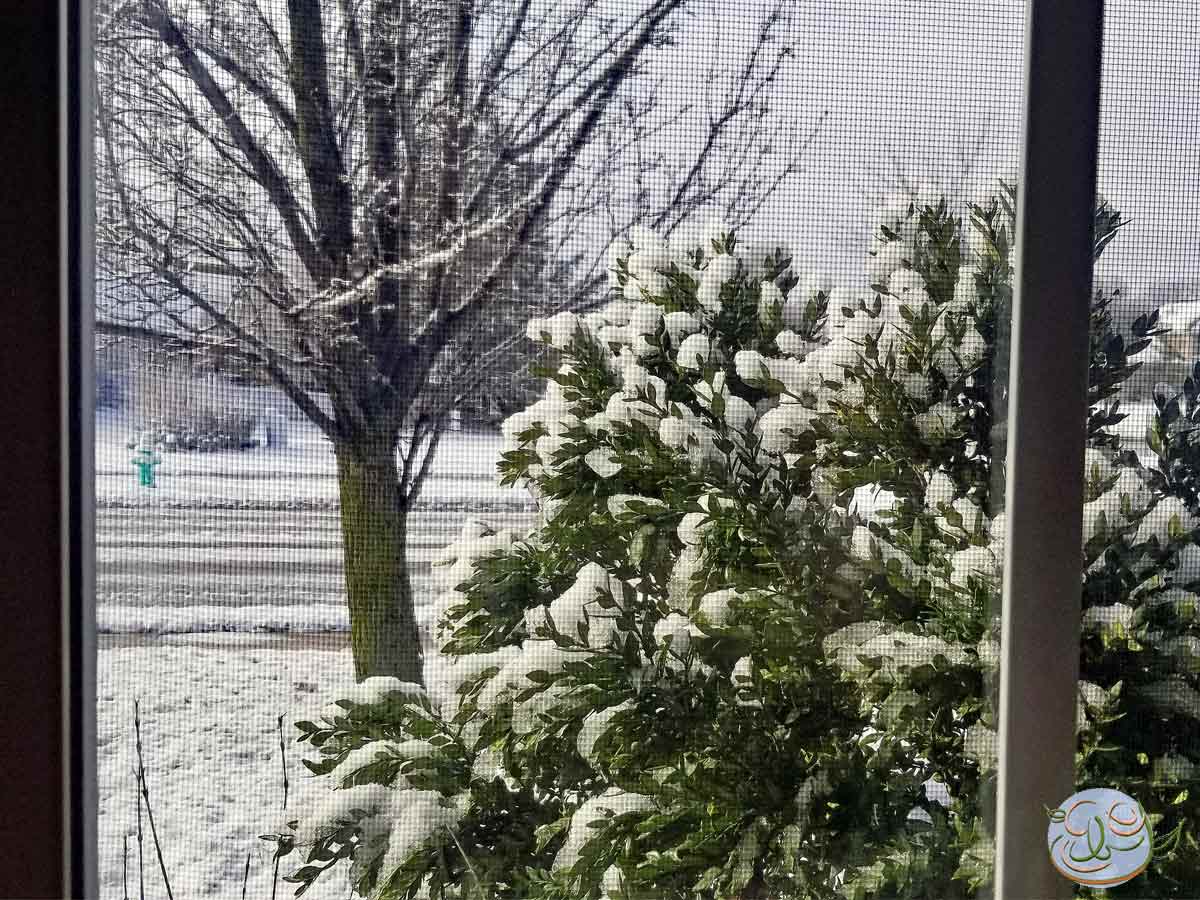
The weather is getting cooler in the mornings. Jack Frost may not be on stage yet, but he’s readying in the wings to sling his icy scythe over the garden. My tropical plants, peppers, and herbs are heartily standing defiant against the waning light and cooler evenings. But it won’t be long before they meet their match. It seems impossible to outwit the seasons, but we can. A little knowhow in what it means to overwinter your plants can give them a new lease on life. Overwintering your plants will bring greenery into your home during the winter months, keep your plants alive, and extend the gardening season all winter long.
Overwintering vs Winterizing
There is some confusion around the term “Overwintering.” So it’s worth taking a look at the different ways gardeners define terms.
To some gardeners overwintering implies preparing plants for their winter dormancy. This means they go into a period of rest for the winter season. For this definition, I prefer the term “Winterizing” to reflect the act of assisting plants into annual hibernation. In winterizing, the plant is in true dormancy and does not grow or mature at all until brought out of dormancy in the spring.
Other gardeners argue that overwintering means manually maintaining temperature and light to sustain a slow level of growth even in the plant’s usual period of dormancy. I prefer this second definition. In this article, I’m focusing on overwintering plants rather than winterizing.
Bringing Plants Indoors Without Also Overwintering Bugs

One of the biggest challenges with overwintering plants is that your plant is not the only thing you’re bringing into your home. Your house is a sterile (or more sterile) environment than the outdoors. When bringing plants in from outside, you don’t want to introduce garden baddies into your enclosed living space. Even friendly garden visitors shouldn’t be disturbed by bringing them indoors if you want a healthy garden ecosystem next growing season.
[Have Spider Mites on your plants? Don’t let them get away with killing your plants!]
Check and Clean the Leaves and Stems
Be sure to check your plant’s leaves and stems for unwanted critters before you bring the plant indoors. Both friendly and unfriendly garden visitors will take refuge in your plants. For example, harvestmen like to curl up near nooks and crannies of stems where they can sleep out the colder months. It may be October spooky season (in the Northern hemisphere) when you begin to overwinter your plants, but you don’t want these eight-legged garden helpers in the house.
Undersides of leaves are a particularly popular gathering areas for pests and friendlies alike. Many insects will lay their eggs on the undersides of leaves where they’re safer from prying eyes. Be sure to check underneath all your leaves before bringing your plant indoors.
Hose down your plant’s leaves and stems with clean water to dislodge anyone who shouldn’t be hanging around. You can add a drop of neem oil or dish soap to a spray bottle to help encourage critters to shop elsewhere. But if you do, make sure to rinse your plant again with clean water afterwards to wash away any residue.
Flush the Soil
Many garden pests like whiteflies, aphids, and fungus gnats can live in the soil rather than under the leaves. They lay their eggs and hibernate in the soil during the winter months. Bringing your plant indoors without dealing with the soil endangers your sterile environment. When the soil warms up indoors, pests will wake up and look for food … and not just on the plant you brought inside.
The good news is most pests that go to ground in autumn and winter live in the top inch or so of soil. When prepping your plant for the indoors, remove that inch of topsoil and either throw it away or leave it outdoors.
Flush the soil with water to rinse away any other critters that might have taken refuge below the inch of topsoil. This may include helpful earthworms or harmful baddies that munch on your plant’s roots. You can include a little neem oil or hydrogen peroxide to your water to further eliminate probable pests. But like with the leaves, be sure to rinse thoroughly afterward with fresh water to avoid harming your plant.
Sterilize The Area Indoors Where You Intend to Overwinter Your Plants
Not only should you protect your indoor plants from outdoor pests, the opposite is also true. It’s prudent to make sure that the plant you’re introducing to the indoors isn’t harmed by anything already inside. If you’ve had problems with pests indoors already, like whiteflies, fungus gnats, or spider mites, you should be particularly careful. Indoor pests may still be hanging around on windowsills, plant stands, or shelves even if you’ve beat them back in other nearby indoor plants.
Now’s the time to do an autumn cleaning. Remove everything from the area you intend to use for overwintering and give the surfaces a good scrub down with soap and water. This will make sure no baddies will be hanging around looking for fresh plants to inhabit once you bring them indoors.
Overwintering Plants for Winter Growth
In winter, light levels are lower and days are shorter. Plants will naturally slow their growth even when overwintering. This means they’ll need less nutrients than they did when in full production mode during the height of the summer.
Temperature
Although the days are shorter in winter, plants are generally fine with the light they receive, even in winter. The number one killer of plants in winter isn’t light levels, it’s temperature. Frozen plant cells (as occurs in a frost) expand and burst, rendering the cells useless and killing the plant. In addition, low temperatures mean the air can’t hold as much water. So cold winter winds are desiccating and dry out tender plant tissues.
By bringing plants indoors, you’re solving a lot of the temperature problems already. But that doesn’t mean you should let your guard down. When deciding where to overwinter your plants indoors, be attentive to each plant’s unique needs. Particularly cold-sensitive plants like tropical plants and hot peppers should be placed away from cold window panes if possible.

If you have no choice but to place such plants on a cold windowsill, insulate your window instead. We’ve found that a single layer of 1 inch bubble wrap on a drafty window does wonders for the plants placed there (and the heating bill). The bubble wrap lets in light while also insulating the plants from the cold glass.
Light Levels
Temperature may be the number one factor that kills plants in winter, but light levels slow growth too. Less light means less warmth in the soil. You can affect this by adding a grow lamp in the darker winter months of the Persephone Period. The Persephone Period is the days of the year where hours of daylight drop below 10 hours per day at your particular latitude. I go over the Persephone Period in depth in the article Persephone Period and What It Means For Your Garden.
During days when the daylight hours drop below 10 hours per day, turn a grow light on your plants. Keep the daylight hours at 10 to 12 hours a day with your grow lamp. Don’t forget to let your plant sleep though. Plants have circadian rhythms just like humans and benefit from 6-10 hours of darkness too.

There are a lot of different kinds of grow lights out there. For established plants, I prefer a full-spectrum light that provides a wide range of light frequencies. But a “purple” plant light (red and blue spectrums) are just as good for mature plants as for seedlings.
Another way you can increase light for your plants is to clean your windows. If you’re doing an autumn cleaning anyway (as suggested above), why not wash and polish your windows too? Not only will it also aid in killing pests, cleaning your windows will also let more light into your home during the dreary winter months.
Water Levels
Plants that overwinter will never have the same level of growth that they do in the summer months. They naturally slow down and conserve energy in winter. This means that overwintering plants don’t need as much water and nutrients as they do during the natural growing season.
Indoor plants generally need less water than outdoor plants anyway. The wind that dries out the top layer of soil isn’t present inside. So water stays in the soil longer. With the plant’s reduced growth in winter, the plant doesn’t drink water as fast either.

One easy way of managing your plant’s reduced water needs is to use a self-watering system like glass water bulbs or terracotta bottle spikes. These methods only release water into the soil when the soil is dry, avoiding any possibility of overwatering.
If you’re going to water manually during the darker days of the year, cut back watering to a couple times a week, or even once a week. Any more than that and you risk overwatering and drowning your plant. This can lead to a whole host of problems including attracting fungus gnats, causing root rot, and encouraging white mold. If you do end up with white mold, don’t hesitate to check out this article: White Mold, A Common Garden Problem.
Returning to the Garden After Overwintering
As your Persephone Period draws to a close, that’s the time to begin to re-introduce your overwintered plants to the outside world. You’ll want to do this gradually so as to not shock your plants. Temperatures may still be low outdoors, but once you have an hour or two of 50 degrees Fahrenheit (10 degrees Celsius), you can begin placing your overwintering plants outside during the heat of the day. Bring them back inside during the cold nights and repeat the next day.
This slow transition back outside is similar to hardening off your seedlings. In fact, it can be done at the same time. It provides a gentle, gradual return to the outdoors that will ensure a proper transition that your plant will appreciate.
As the temperatures continue to warm and spring approaches in full swing, you can leave your overwintered plants outside for longer at a time. Eventually, they’ll be able to transition to fully outdoors again, just as they were the year before.
Overwinter Your Plants In Style
Overwintering your plants is a great way to extend your gardening season and get a jump on next year! I hope these steps work for you and bring you some joy in the darker days of winter. Let me know if you have any other tricks or if you tried these and how they worked for you!

Resources in this Article
Gardening Outside in Winter: Extend Your Garden Season From Months to All Year Round
White Mold, A Common Garden Problem
Persephone Period and What It Means For Your Garden
Indoor Seed Starting For Spring Success
Itsy Bitsy Spider Mites (Tetranychus urticae)
Gnats No More: Getting Rid of Fungus Gnats in Indoor Gardens
How to go on Vacation Without Hiring a Plant Sitter
Your Hardening Off Handbook: Tender to Tough Before Transplanting


One response to “Overwintering: Extend the Garden Season by Bringing Your Plants Indoors”
[…] the full growing season they needed to produce fruit. Rather than lose them without gain, we have overwintered those plants. Once the danger of frost passes, they’ll be ready to go outside […]