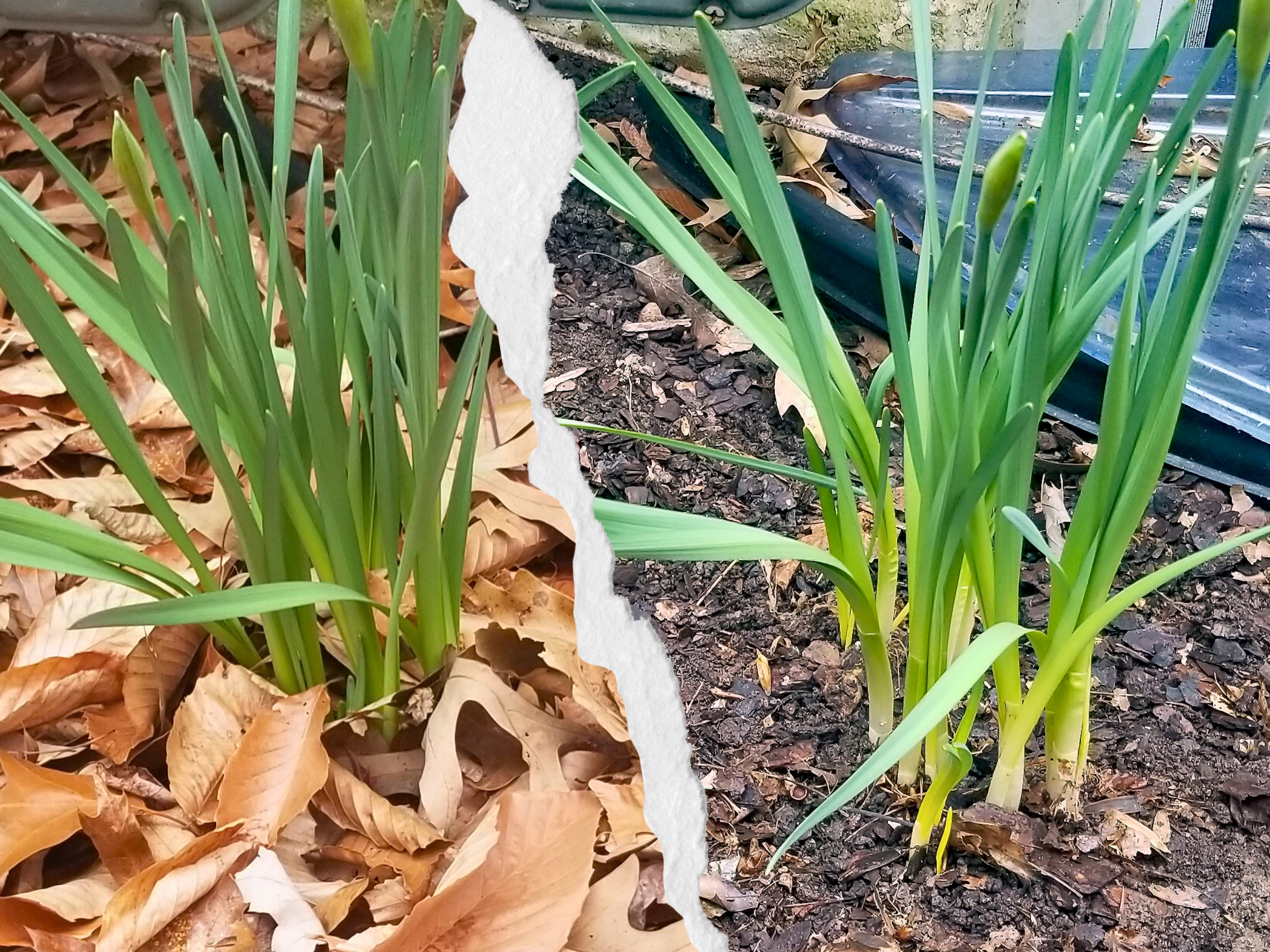

So, it’s still chilly outside, but you’re itching to get out into the garden. You’ve probably done your spring garden planning. You may have placed orders at your local or corporate nursery for plants to be delivered for spring planting. You may have even already started your seeds indoors. But that’s not really gardening, is it? Gardening is getting your hands dirty, keeping an eye on healthy leaves and developing produce, right? None of that is happening yet. But there are still things you can and should do to prep your garden for spring. Getting a head start on these chores now means everything will be ready to go when the danger of frost has passed and your plants are ready to grow outside.
When to Start Prepping the Garden for Spring
You should start spring garden clean up when the ground has started to thaw. This will be earlier in the year if you live in more southern hardiness zones, and later in northern climates (If you’re in America, you can find your USDA Hardiness Zone here). You can follow the general guidance of waiting for several consecutive days when the temperatures get over 50 degrees Fahrenheit (10 degrees Celsius). However, I tend to follow a more fluid guideline. My rule of thumb: Mother Nature knows best!
Look for when spring flowers like daffodils and spring crocuses have started to send up shoots through the natural ground cover. That’s a sure sign you’re ready to dig in and prep your garden for spring.
Another good sign is if you start to see common insects like moths or gnats. You may see them flittering at your porch light or they may get in your way on the running trail. If they’re waking up, so are the pollinators. That’s Mother Nature saying it’s time to get your garden into gear!
Spring Garden Prep Checklist
Let’s be honest, cleaning up a yard or garden is a daunting task. There’s so much that could be done that it’s tough to know exactly where you should start. In these cases, it helps to have a simple checklist. Here’s the 5 steps we go through each spring to make sure our garden beds are in good shape for the coming growing year:
- Rake leaves from garden beds
- Aerate garden soil
- Fertilize and augment garden soil with nutrients
- Assess garden tools for rust or dull blades
- Prune trees and bushes
Raking Leaves


In the fall, it’s a good idea to leave the leaves over your flower and garden beds. This provides the beds with much needed insulation from the cold – especially if you don’t get a lot of snow in the winter. Leaving the leaves also allows helpful insects like bees and beneficial lady beetles a place to hibernate. However, this garden detritus can be a hindrance to your plants in the spring.
While you don’t want to clear the insulating leaves too early, once early growth starts poking through, they’re done with their blanket for the year. The earlier you clear away the leaves from your budding early spring plants, the happier they’ll be. Plants with a clear bed to grow in will be less constricted and will receive more light.
If you have a composting area, don’t toss the leaves! Leaves break down very quickly in compost. They provide a host of nutrients to compost that you can then use later as additional fertilizer in your garden. The cycle continues!
Aerating Soil

Gravity can be a real drag – especially in raised beds or container gardens. Over time, soil will compact and squeeze out spaces for air pockets that plant roots rely on. If your area encounters heavy snows, the weight of the snow can pack down the soil too. Spring is the perfect time to to prep nice loose soil in your garden for young plants to spread their roots.
Depending on how big your garden is, whether you’re container gardening, or have raised beds, there’s several ways to go about aerating your soil.
If you have a very large garden plot, you may want to use a tiller in the spring. This will plow under the top layer of soil and break up soil clumps to allow for more air. For smaller plots, however, this may be overkill.
The most common method, but involving manual labor, is to grab a garden fork or hoe and physically turn over the top 8 to 12 inches of soil. Remove any roots from last season that could trip up the roots of new seedlings and young plants, but you don’t have to get them all. They will decompose over the hot summer months and the new roots will take over.
Fertilizing Soil

If, like me, you have a limited area for your garden, or you garden in raised beds, chances are, you’ll need to augment the soil with nutrients. When you’re prepping your garden for spring, think about what was growing in that bed last year. Brassicas? Legumes? Fruits? or Roots? Different kinds of plants will take (and put back) different nutrients from the soil. Here’s a brief look at the kinds of nutrients you’ll need to replace for each type of plant:
| Type of Plant | Nutrients to Replace |
|---|---|
| Brassicas (cabbage, broccoli, cauliflower, kale, mustards, kohlrabi, collards, Brussels sprouts, etc) | Nitrogen, Magnesium, Boron |
| Legumes (peas, beans, clover, etc.) | Phosphorous, Potassium |
| Fruits (tomatoes, peppers, cucumbers, zucchini, etc.) | Nitrogen, Phosphorous, Calcium, Potassium |
| Roots (potatoes, carrots, onions, parsnips, radishes, horseradishes, etc.) | Phosphorous, Potassium |
How to Add Nutrients to Your Soil
For most of these, a simple store-bought fertilizer may be all you need. When picking up a fertilizer from the store, check the label. Fertilizers will display a series of three numbers to indicate what that fertilizer will do for your soil. A 10-10-10 is considered an all-purpose fertilizer because it’s balanced between Nitrogen-Phosphorous-Potassium. A lower or higher number in the place of a 10 indicates a lower or higher amount of that nutrient compared to the others. A higher number means a higher concentration of nutrients, and you may need to use less of it or dilute it further than the directions state.
Fruits such as tomatoes, peppers, cucumbers, zucchini, etc. use calcium in addition to nitrogen, phosphorous, and potassium. Calcium helps plants to properly form the cell walls of the fruits and prevents blossom end rot (BER). You can add calcium to your soil yourself quite easily. Prep for spring garden work ahead of time by saving egg shells from your kitchen. You can also set aside the water used to boil eggs to water plants. Egg shells are ideal calcium supplements in the garden and can stop a host of calcium deficient problems in fruiting plants.
Assessing Tools

While I generally advocate assessing your tools in the fall, spring is also a good time to take a look at them. Check your shovels, rakes, pruning sheers, etc. If they’re showing signs of rust, now’s a good time to perform some rust removal on your garden tools.
Do pruning scissors and garden sheers need sharpening? Definitely make sure your cutting tools are prepped and sharp before doing any kind of spring pruning in your garden. Dull pruning sheers cause damage to your plants, crushing the branches rather than providing a clean cut that encourages healthy growth.
Pruning

It’s a fact of nature that nothing grows even. Think about that haircut that you have to get every six months or so because one part grows faster than the rest. Bushes and trees are no different. Look around and gauge whether that bush should really be growing bigger in the back than the front. Check on the new growth from last year and decide whether it truly belongs.
Long, thin branches can become unruly usually on tops and sides of bushes and new branches on trees. Spring is the time to prep bushes and trees in the garden and yard with a gentle pruning. It’s important to prune while the weather is cooler before their sap really gets moving.
Ornamental grasses can be interesting landscape features in the winter and provide something other than dull earth to look at. Spring prep for your garden and yard should involve cutting those ornamental grasses back so the new growth won’t be stifled by the old growth. Out with the old, in with the new!
Get Growing! Prep Your Spring Garden
Now you’re ready to get out there and prepare your garden for its spring planting and summer growing! Give your garden the best start possible this spring and it will carry you through the whole year.